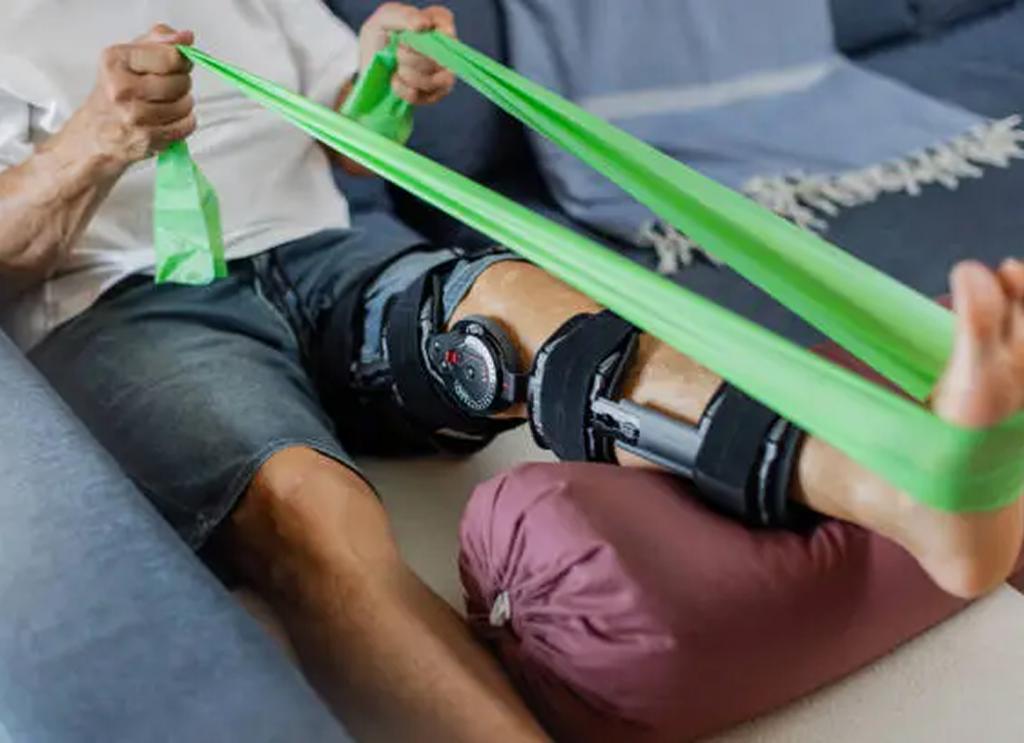
Spasticity can feel different for everyone. You may notice muscle tightness or stiffness, involuntary spasms, difficulty moving an arm or leg, changes in the way you walk, or difficulty with everyday activities such as dressing and personal care.

Spasticity Management
Spasticity can make your muscles feel unusually tight or stiff and, in some cases, cause involuntary spasms that can affect movement and everyday activities. It occurs when changes to the nervous system cause an increase in muscle tone.
Overview
What is spasticity?
Spasticity occurs when the parts of the brain or spinal cord that control movement are damaged. Spasticity is commonly seen in conditions such as:
- Stroke
- Multiple sclerosis
- Cerebral palsy
- Spinal cord injury
- Acquired brain injury
- Other neurological disorders
Without treatment, spasticity can interfere with movement, comfort, and daily activities.


Symptoms
How can spasticity
affect you?
Spasticity can impact many aspects of everyday life, including:
- Mobility and walking
- Arm or hand function
- Self-care activities such as dressing or bathing
- Comfort, posture, and sleep
- Participation in work, hobbies, or social activities
With appropriate treatment and rehabilitation, many people experience improved comfort, mobility, and independence.
How we help
Available treatment options
Treatment for spasticity is individualised and depends on the underlying condition, the muscles involved, and your personal goals. Management may include:
Rehabilitation therapy
Physiotherapy, occupational therapy, or exercise physiology programs to improve flexibility, strength, and functional movement.
Medications
Oral medications may help reduce muscle stiffness and spasms.
Orthotics and splinting
Braces or splints may assist with positioning, comfort, and mobility.
Intrathecal baclofen pump
A baclofen pump may be used to deliver medication directly into the spinal fluid for continuous control of generalised spasticity.
Botulinum toxin (Botox)
Targeted injections into specific muscles can temporarily reduce muscle overactivity and improve movement.
intrathecal baclofen therapy
How does an intrathecal baclofen pump work
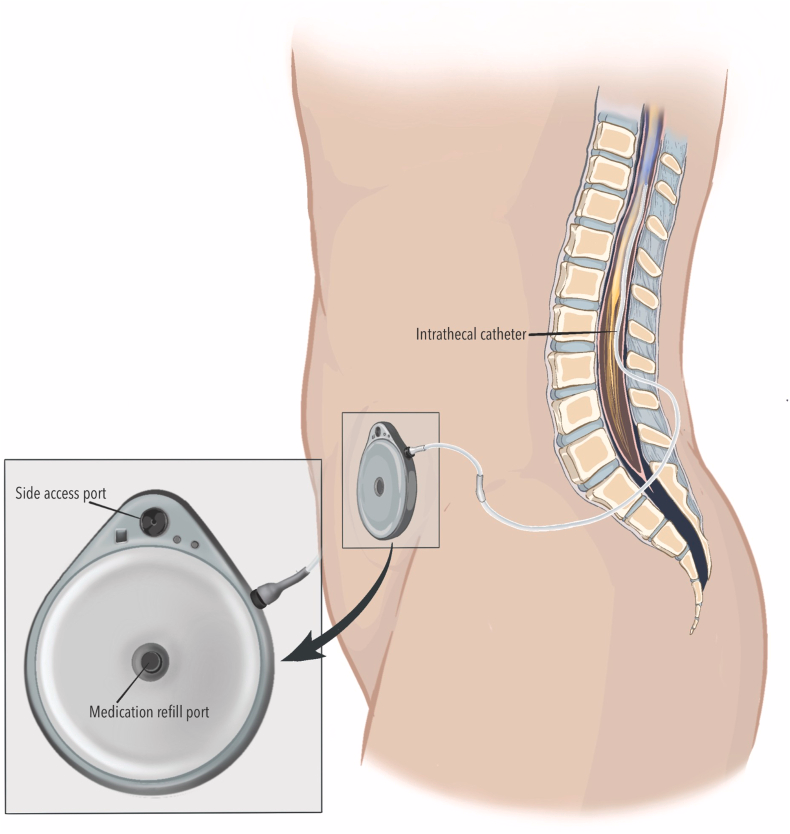
An intrathecal baclofen pump is surgically implanted under the skin of the abdomen and connected to a small catheter that delivers medication into the space around the spinal cord.
Because baclofen is delivered directly to the spinal fluid, smaller doses can be used compared with oral medication. The pump continuously releases a programmed dose, which can be adjusted by your treating specialist as your needs change.
- For appropriate patients, intrathecal baclofen therapy may help:
- Improve control of severe muscle stiffness and spasms
- Provide more targeted management of spasticity
- Reduce side effects associated with high-dose oral medication
- Improve comfort, mobility and everyday function

pump refills & monitoring
Ongoing baclofen pump refills
Once an intrathecal baclofen pump is in place, the medication reservoir needs to be refilled regularly to maintain continuous treatment.
During a refill appointment, the pump and medication levels are checked before baclofen is injected into the reservoir through the skin. Your dose may also be reviewed and adjusted where required.
Keeping to your scheduled refill appointments is important, as allowing the pump to run out of medication can lead to increased spasticity and potentially serious baclofen withdrawal symptoms.
At Coast & Rivers Rehab, we provide ongoing baclofen pump refills and monitoring as part of your longer-term spasticity management.
Our approach
At Coast & Rivers Rehab, we provide comprehensive assessment and personalised treatment plans for people living with spasticity. We work closely with patients and allied health providers to improve function, reduce discomfort, and support meaningful rehabilitation goals.
If you would like more information or wish to discuss treatment options, please contact Coast & Rivers Rehab. Our team is here to help support your rehabilitation and quality of life.
More information
Frequently asked questions
What are the common signs of spasticity?
Can physiotherapy help with spasticity?
Yes. Physiotherapy at Coast & Rivers Rehab can play an important role in managing spasticity and maintaining movement and function. Treatment may include stretching, strengthening, movement practice, positioning and strategies to make everyday activities easier. Your treatment will be tailored to your needs and goals.
What does spasticity treatment involve?
There isn’t a one-size-fits-all approach. Treatment for spasticity depends on how it is affecting you and may involve rehabilitation, medication, orthotics or splinting, and specialist treatments such as botulinum toxin injections or intrathecal baclofen therapy.
Do I need ongoing treatment for spasticity?
For many people, spasticity is a long-term condition that requires ongoing management. Regular review and treatment at Coast & Rivers Rehab can help maintain mobility, reduce pain and stiffness, prevent complications such as contractures, and ensure your management plan continues to meet your changing needs.
How often does a baclofen pump need to be refilled?
The pump needs to be refilled regularly so it does not run out of medication. How often you need a refill depends on your prescribed dose and the size of your pump. Your treating team will schedule refills and let you know when your next appointment is due.
What happens if the baclofen pump runs out or stops working?
It is important that the pump does not run out of baclofen. A sudden interruption in treatment can cause serious withdrawal symptoms and requires urgent medical attention. Your healthcare team will explain the warning signs to look out for and what to do if you have concerns about your pump.
Will I need the baclofen pump permanently?
Not necessarily. How long you use intrathecal baclofen therapy depends on your condition, symptoms, and response to treatment. Your specialist will regularly review how well the therapy is working and whether it remains appropriate for you.
Can my baclofen dose be changed after the pump is implanted?
Yes. The amount of baclofen delivered by the pump can be adjusted without further surgery. Your specialist can change the programmed dose during follow-up appointments based on your symptoms, goals, and any side effects you experience.
Visit our clinic
Book an appointment at our John Flynn clinic